
Water damage restoration follows five stages: assessment, water extraction, drying, cleaning and sanitizing, and repair or rebuild. Speed matters most in the first 24-48 hours, since that’s the window before mold sets in. Las Vegas homeowners and contractors should hire a company that’s available around the clock, has trained technicians, and will work directly with insurance.
Key Takeaways
- Water damage restoration is a five-step process: assess, extract, dry, sanitize, rebuild
- The category and class of water (clean, gray, or sewage) determines how the job is handled
- Drying takes days, not hours, and surface-dry doesn’t mean actually dry
- Sewage and flood damage require specialized handling beyond standard water cleanup
- Choosing a 24/7, certified, insurance-friendly restoration company in Las Vegas reduces long-term costs and mold risk
Water damage doesn’t wait for a convenient time. A pipe bursts at 2 a.m., a storm rolls through Las Vegas and floods your crawl space, or a water heater finally gives out after years of quiet warning signs. Whatever the cause, the next few hours matter more than people realize.
For a general contractor in Las Vegas, knowing the restoration process inside and out isn’t optional. Clients are stressed, insurance adjusters are asking questions, and the difference between a clean recovery and a mold problem six weeks later often comes down to how fast and how correctly the first steps happen.
What Water Damage Restoration Actually Involves
At its core, water damage restoration means getting a property back to where it was before the water showed up. That covers inspection, extraction, drying, cleanup, and rebuilding when the damage goes deeper than the surface. Technicians don’t need a license to do this work in most cases, but training and the right equipment make a real difference in outcomes.
The Full Process of Water Damage Restoration
1. Emergency Contact and Assessment
The clock starts the moment water hits the floor. Emergency water damage restoration services are available 24/7 to respond promptly. The technician’s first job is assessment: how much water, where it came from, and what category and class of damage you’re looking at. Clean water from a supply line is a different problem than gray water from a washing machine, which is a different problem again from sewage backup. This call shapes everything that comes after it.
2. Water Removal and Extraction
Standing water is the enemy. Crews bring in wet/dry vacuums and pumps strong enough to clear a flooded room quickly, because every extra hour of standing water is an hour closer to mold setting in behind the drywall where nobody can see it yet.
3. Dry everything out
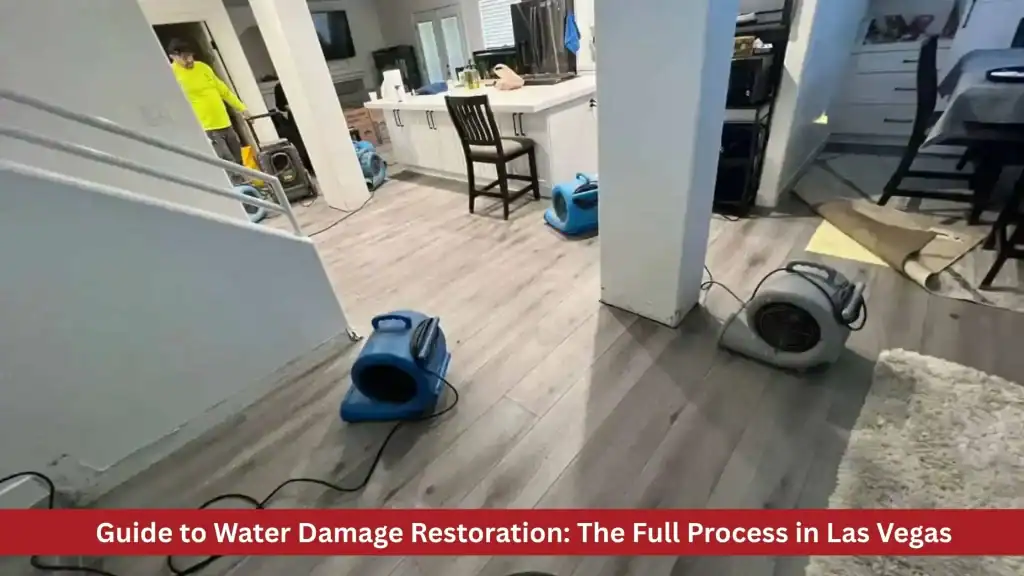
Once the visible water is gone, the real work starts. Air movers and dehumidifiers run for days, not hours, pulling moisture out of studs, subfloors, and insulation that look dry on the surface but aren’t. Technicians check moisture levels regularly and adjust equipment placement as things change, because guessing here is how secondary damage happens.
4. Clean and sanitize
Water rarely travels alone. It picks up dirt, bacteria, and whatever else was sitting in its path. Restoration crews disinfect affected surfaces and treat for mold and bacterial growth before anything gets put back together. Furniture and belongings get cleaned and saved wherever that’s realistic.
5. Damage Repair and Reconstruction
This is where the project either wraps up quickly or turns into a real job. Sometimes it’s a carpet swap and a few sheets of drywall. Other times it’s framing, painting, and a full reconstruction of a room. Either way, the goal is the same: get the space back to where it was before the water got there.
Expert restoration services organize every facet of the restoration procedure, guaranteeing a smooth and effective outcome.

Specific Types of Water Damage Restoration
- Sewage Damage: Sewage damage is one of the most hazardous forms of water damage. It involves the removal of contaminated water, thorough cleaning, and sanitization to ensure safety and health. Professional sewage damage restoration is essential to handle biohazardous materials safely and effectively.
- Flood Damage: Flood damage can be extensive and requires immediate attention. Flood damage restoration involves water removal, drying, cleaning, and repairing structural damage caused by flooding. Experts are equipped to handle large-scale damage and restore the property to its pre-flood condition.
Importance of Professional Water Damage Restoration Services
Hiring professional water damage restoration services is crucial for several reasons:
- Expertise and Experience: Water damage restoration professionals are equipped with the skills and knowledge necessary to effectively manage a wide range of water damage situations. They can handle problems that might not be visible to the untrained eye because they are aware of the intricacies involved in the restoration process.
- Advanced Equipment: Professionals use specialized equipment designed for water extraction, drying, and dehumidification. This ensures the process is completed thoroughly and quickly.
- Preventing Mold Growth: Prompt and effective restoration prevents mold growth, which can cause serious health issues and further damage to the property.
- Comprehensive Restoration: Experts offer a full range of restoration services, from preliminary inspection to last-minute fixes, guaranteeing that every facet of the damage is taken care of.
Picking a Restoration Company in Las Vegas
When selecting a water damage restoration service in Las Vegas, consider the following factors:
- They answer the phone at night. Water damage doesn’t check the clock, and a company that’s only available 9-to-5 isn’t built for this job.
- Their technicians are actually trained. Ask what certifications they hold and how recent the training is.
- Other people have used them before and said it went well. Reviews and references tell you more than a sales pitch will.
- They’ll deal with your insurance company directly. This saves homeowners and contractors a lot of back-and-forth during an already stressful process.
Lastly
Water damage restoration works best when it moves fast and follows a clear process: assess, extract, dry, clean, and rebuild. Skipping steps or moving slowly is usually what turns a manageable problem into an expensive one. Whether it’s a leaking pipe, a flooded basement, or something worse, the right team in Las Vegas can get a property back to normal without the situation spiraling.
FAQs
- How fast do I need to act after water damage happens?
Within the first 24-48 hours, ideally. Mold can start growing in that window, so the sooner extraction and drying begin, the less likely you are to end up with a second problem on top of the first. - What’s the difference between water damage restoration and just drying things out myself?
A wet/dry vac and some fans can handle a small spill, but real water damage gets into subfloor, drywall, and insulation where you can’t see it. Professional equipment and trained eyes catch moisture that looks dry on the surface but isn’t. - Is sewage backup handled differently than a regular leak?
Yes. Sewage carries biohazards, so it requires specialized cleanup and safety protocols, not the standard extraction-and-dry process used for clean water leaks. - How do I choose a reliable water damage restoration company in Las Vegas?
Look for 24/7 availability, certified and trained technicians, solid reviews or references, and a willingness to coordinate directly with your insurance company.