
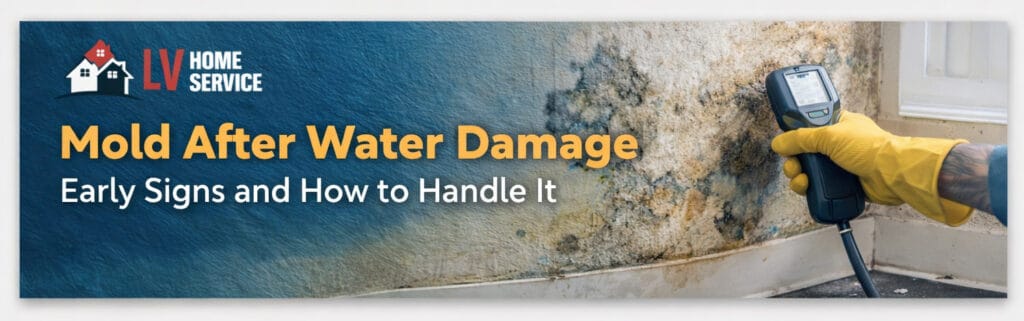
Water damage rarely ends when the water is gone. One of the biggest problems often shows up days or even weeks later: mold. After a leak, flood, or burst pipe, mold can quietly grow behind walls, under floors, and inside ceilings before homeowners even realize there is an issue.
If you have recently dealt with water damage, knowing the early signs of mold and how to respond can save you from expensive repairs and serious health risks.
Why Mold Grows After Water Damage
Mold develops in environments that are both wet and dark. Water damage leads to moisture becoming trapped inside drywall and insulation and flooring and framing materials. Mold can begin to grow within 24 to 48 hours because hidden moisture remains in dry surfaces.
Professional water damage restoration services require more than water extraction because their work involves complete home restoration through drying and cleaning processes. The process needs complete restoration work because all areas of your home require drying and cleaning to stop mold growth.
Early Signs of Mold After Water Damage
Mold is not always obvious at first. Here are some early warning signs homeowners often miss:
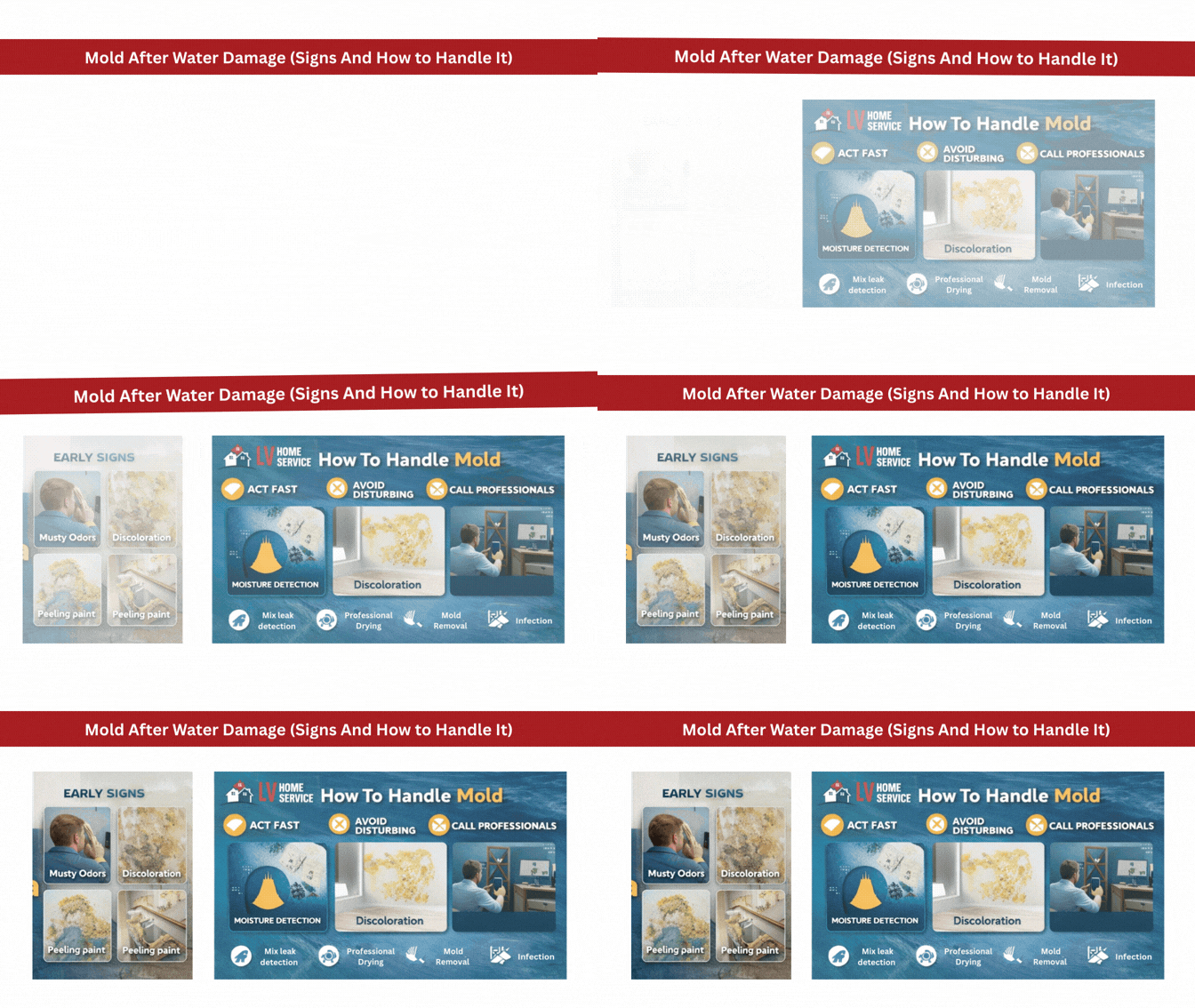
Musty or earthy odors
If your home smells damp or unusual after water damage, mold could already be forming behind walls or under flooring, even if you cannot see it.
Discoloration on walls or ceilings
Small dark spots, green patches, or yellow-brown stains may indicate early mold growth or moisture damage that can lead to mold.
Peeling paint or warped materials
Bubbling paint, soft drywall, or warped baseboards often mean moisture is trapped underneath, creating ideal conditions for mold.
Increased allergy symptoms
Sneezing, coughing, headaches, or irritated eyes after water damage may be linked to mold exposure, especially for children, seniors, and people with asthma.
Why You Should Not Ignore Mold
Mold problems in your house lead to two types of damage. Your home experience damage from mold which decreases its market worth and mold exposes you to health risks through its presence. Untreated mold begins to spread through heating and cooling systems and it weakens building materials between walls and transforms minor home fixes into full-scale home restoration work.
People believe they can solve their indoor problems through DIY cleaning methods which fail to eliminate actual sanitary problems because they only clean visible areas. Mold growth occurs when property owners neglect to fix moisture problems and concealed damage issues.
How to Handle Mold the Right Way
If you suspect mold after water damage, here is what actually works:
Act fast
Time matters. The longer moisture sits, the more mold can spread. Quick action can limit damage and reduce restoration costs.
Avoid disturbing the area
Scrubbing or tearing into moldy areas without proper containment can release spores into the air and spread the problem throughout your home.
Call professional restoration services
A trained restoration team has the equipment and experience to locate hidden moisture, safely remove mold, and restore damaged areas correctly.
How Our Home Restoration Services Help
At LV Home Service, mold issues are handled as part of a complete water damage restoration and home restoration process. We do not just treat what you can see. We address the source of the damage.
Our restoration services typically include:
- Moisture detection and damage assessment
- Water extraction and professional drying
- Mold remediation and safe removal
- Structural repairs and rebuild services
- Full restoration to return your home to pre-damage condition
Because we also provide rebuild services, homeowners do not need to coordinate with multiple contractors. From cleanup to reconstruction, the entire process is handled by one trusted team.
Preventing Mold After Water Damage
While not all water damage can be prevented, these steps can help reduce your risk:
- Fix leaks as soon as they are discovered
- Improve ventilation in bathrooms and kitchens
- Use dehumidifiers after water exposure
- Schedule professional inspections after flooding or major leaks
Drying visible surfaces is not enough. Proper drying and restoration are essential for long-term protection.
Final Thoughts
Mold after water damage is more common than most homeowners realize, and it should never be ignored. Identifying the problem early and handling it correctly can protect both your home and your health.
If you have experienced water damage or suspect mold, professional restoration services can make a major difference. Acting early helps save time, money, and stress while restoring your home the right way.
FAQs
- How soon can mold grow after water damage?
Mold can begin growing within 24–48 hours if moisture isn’t properly removed. - Can I remove mold myself after water damage?
Small surface mold may be cleaned, but hidden mold requires professional restoration services to prevent spreading and recurrence. - Is mold always visible after water damage?
No. Mold often grows behind walls, under floors, or inside ceilings before it becomes visible. - Does water damage restoration include mold removal?
Yes. Professional water damage restoration typically includes moisture control, mold remediation, and repairs as needed. - When should I call a home restoration company?
If you notice odors, stains, health symptoms, or ongoing moisture after water damage, it’s best to call immediately.