
Thinking about selling your home and starting the next chapter in your life? Before you jump in, it’s worth getting clear on what you need to do before putting your house on the market. Selling a home is routinely ranked as one of life’s most stressful experiences, even more stressful than major life events like having a baby or navigating a divorce. The search data reflects it, too. Terms like house selling stress and selling a house is a nightmare trend for a reason.
Your stress level also depends heavily on your local market. Selling a home in Henderson or Las Vegas is nothing like selling in Portland or San Diego. Buyer expectations, market conditions, and price points vary. The more you understand your market, the less chaotic the process feels.
Still, selling your home doesn’t have to be a nightmare. The key is to think like a buyer and prepare like a realtor.
Home Selling Tips for Las Vegas and Henderson
According to Opendoor, a significant number of Las Vegas homeowners who sold in 2018 did so because they needed more space. In other words, buyers in this region tend to prioritize larger homes. Understanding demand like this gives you a clear advantage. When you know what buyers want, you can shape your preparation around it.
Here’s how to position your home for a successful—and less stressful—sale.
1. Research the Local Housing Market
Knowing your local real estate landscape is essential. Even a beautifully maintained home will struggle if it’s priced incorrectly or doesn’t align with what buyers expect. Homes in Las Vegas stay on the market for an average of 77 days. That’s nearly three months of uncertainty if you miss the mark on preparation or pricing.
Before listing your home, research:
Local pricing trends
Check recent sales in your neighborhood, especially in Henderson. Zillow, Trulia, Redfin, and local MLS listings give a realistic picture of what homes are actually selling for. Overpricing almost guarantees your home will sit; underpricing risks leaving money on the table.
Buyer preferences
Study recently sold listings with quick turnaround times. Are buyers drawn to open floor plans, large kitchens, modern updates, landscaped yards, or energy-efficient features? Identify what those homes have in common and assess whether you can match or exceed those expectations.
2. Assess Your Home’s Condition
Once you understand your market, turn the focus inward. A thorough evaluation of your home helps you avoid surprises that derail negotiations or cut into your selling price.
Key areas to evaluate:
Repairs and updates
Buyers show stronger interest in homes with new or well-maintained appliances, fresh carpet, updated fixtures, and modern paint. Check your HVAC system, air conditioning unit, and water heater, especially in a climate like Las Vegas. Neglect is expensive once inspection time arrives.
Plumbing
Inspect pipes, under-sink areas, and all visible plumbing. Even minor leaks can raise red flags for potential buyers and justify hefty price reductions.
Interior paint
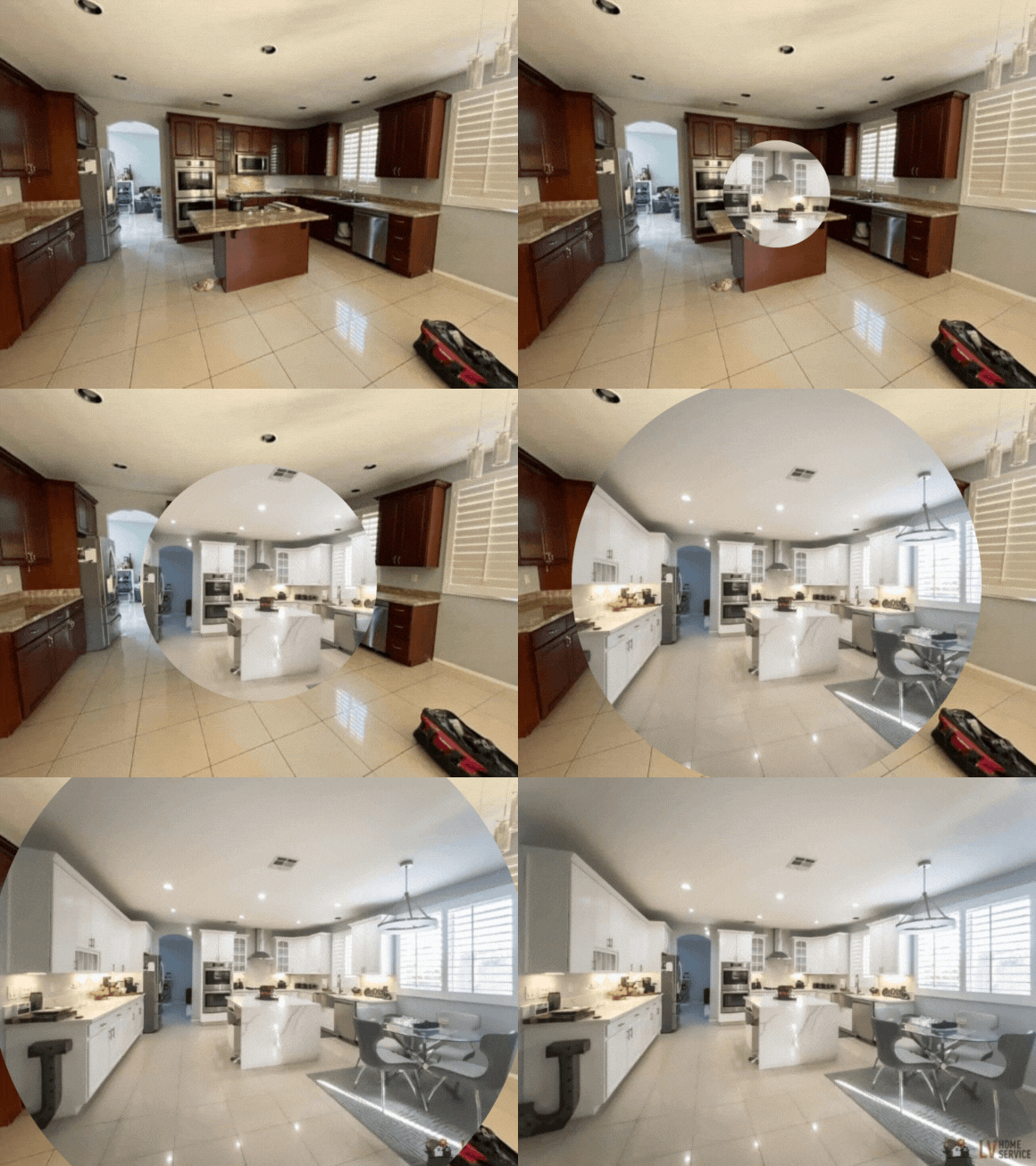
Bold colors rarely appeal to the broad market. Neutral tones give buyers a clean canvas and make spaces feel brighter and larger. If your home hasn’t been painted in several years, it’s time.
Landscaping and exterior appeal
Your front yard is the buyer’s first impression. Repair cracked pavement, refresh your lawn, trim landscaping, and consider painting fencing or exterior trim. Curb appeal sets the tone for the entire viewing.
Professional inspections
Even a thorough self-inspection has limits. Hiring professionals for HVAC, roof, or plumbing evaluations reduces the risk of surprises during the buyer’s inspection. A clean report builds confidence and negotiation power.
3. Prepare Your Home to Impress Buyers
Small improvements can create major perceived value. Buyers in competitive markets can afford to be selective, so your goal is to remove reasons to hesitate.
Create a spacious feel
If Las Vegas buyers are seeking bigger homes, make yours feel as open as possible. Declutter, remove unnecessary furniture, add mirrors, and use lighter paint tones. Decluttering alone can dramatically influence buyer perception.
Eliminate cosmetic distractions
Fix chipped tiles, patch holes in drywall, repair cracked flooring, and deep clean carpets. Buyers often make decisions emotionally, and tiny details can undermine their confidence.
Refresh with paint
Paint remains one of the most cost-effective pre-sale improvements. Consider repainting the interior, exterior, and fencing for a polished, well-maintained look.
In Conclusion
Selling your home may never be completely stress-free, but the right preparation removes most of the chaos. When you understand your market, address your home’s condition proactively, and present your space strategically, you control the narrative instead of letting uncertainty run the show.
Every buyer has been a seller at least once. You’re not navigating this process alone, and with the right groundwork, your next chapter begins on the right foot.
Want a smoother, more profitable home-selling experience? Reach out to LV Home Service and let our specialists help you prepare, price, and present your home the right way.
Frequently Asked Questions
1. What should I fix before selling my house?
Focus on repairs that impact inspections and first impressions. Address HVAC issues, plumbing leaks, outdated paint, worn carpet, and exterior damage. These updates help you avoid price reductions later.
2. How do I get my house ready to sell quickly?
Declutter, deep clean, use neutral paint tones, improve curb appeal, and price the home based on recent local sales. Homes that show well and hit the right price point move fastest.
3. Is it worth renovating before selling?
Light updates often pay off, while major renovations rarely do. Painting, appliance upgrades, landscaping refreshes, and minor repairs offer strong returns without heavy investment.
4. How do I know how much my home is worth before selling?
Research comparable sales in your area, review recent listings, and consider a professional appraisal or evaluation from a local real estate expert. Online estimates give a starting point but lack nuance.
5. What should I not do before selling my house?
Avoid overpricing, skipping repairs that inspections will uncover, choosing bold paint colors, or completing major renovations without understanding local buyer demand. These mistakes often delay sales and reduce final offers.