
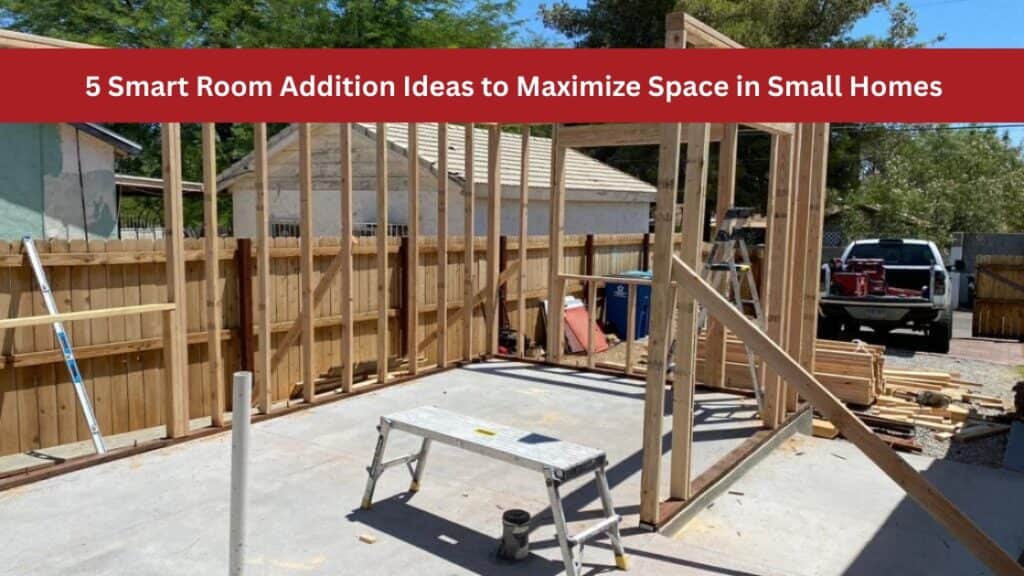
Small homes need smart designs, not more land. When space is tight, every inch matters. You can add space without moving or rebuilding. When you think about building an addition to a house, focus on small changes that make a big difference.
Here are five simple and smart room addition ideas for small homes in Las Vegas. Each idea adds space, light, or function without heavy cost, and helps you if you are adding an addition to a house.
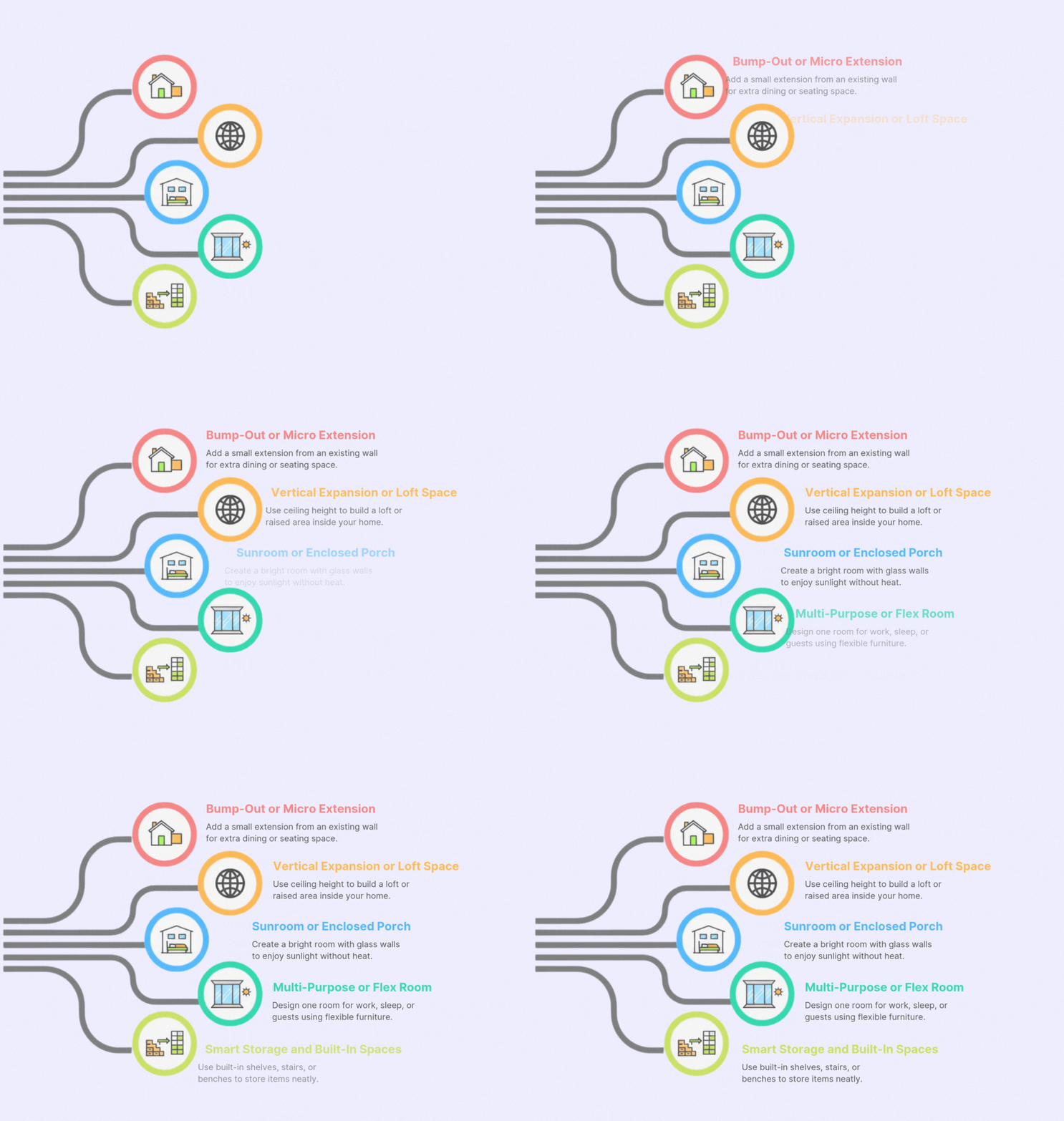
1. Bump-Out or Micro Extension
Why it works:
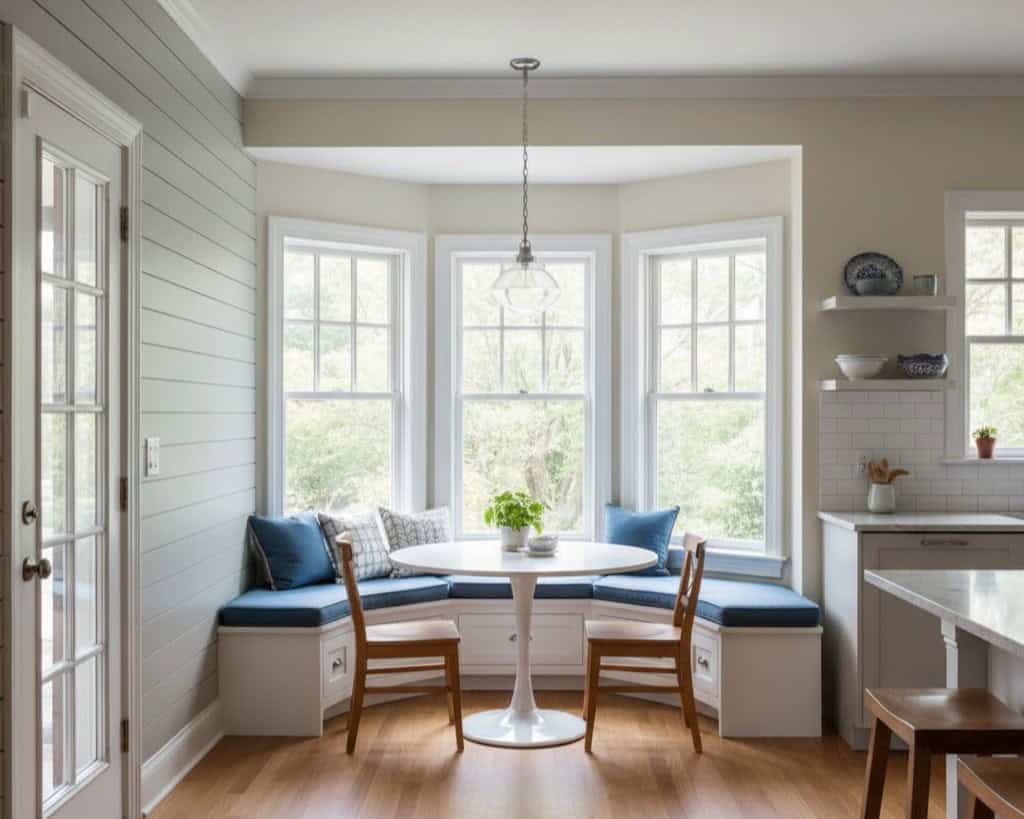
A bump-out adds a few extra feet to an existing room. You push out one wall to create more space for a clear purpose. It can be a dining nook, reading corner, or laundry zone.
What it is:
A small extension built from an existing wall. It uses your current structure but gives you new floor space. It feels like a mini expansion, not a full remodel.
How to do it:
- Extend the kitchen wall by 2 or 3 feet to fit a breakfast table.
- Add a window seat with drawers for storage.
- Use large windows or glass doors to bring in more sunlight.
- Match the roof and siding with your main house for a clean look.
A 3-foot kitchen bump-out costs less than building an addition to a house and adds useful square footage. It improves light and traffic flow.
2. Vertical Expansion or Loft Space
Why it works:
When the ground area is small, you build it up. Lofts or mezzanines use heights that often go to waste. This approach doubles space without changing your house footprint.
What it is:
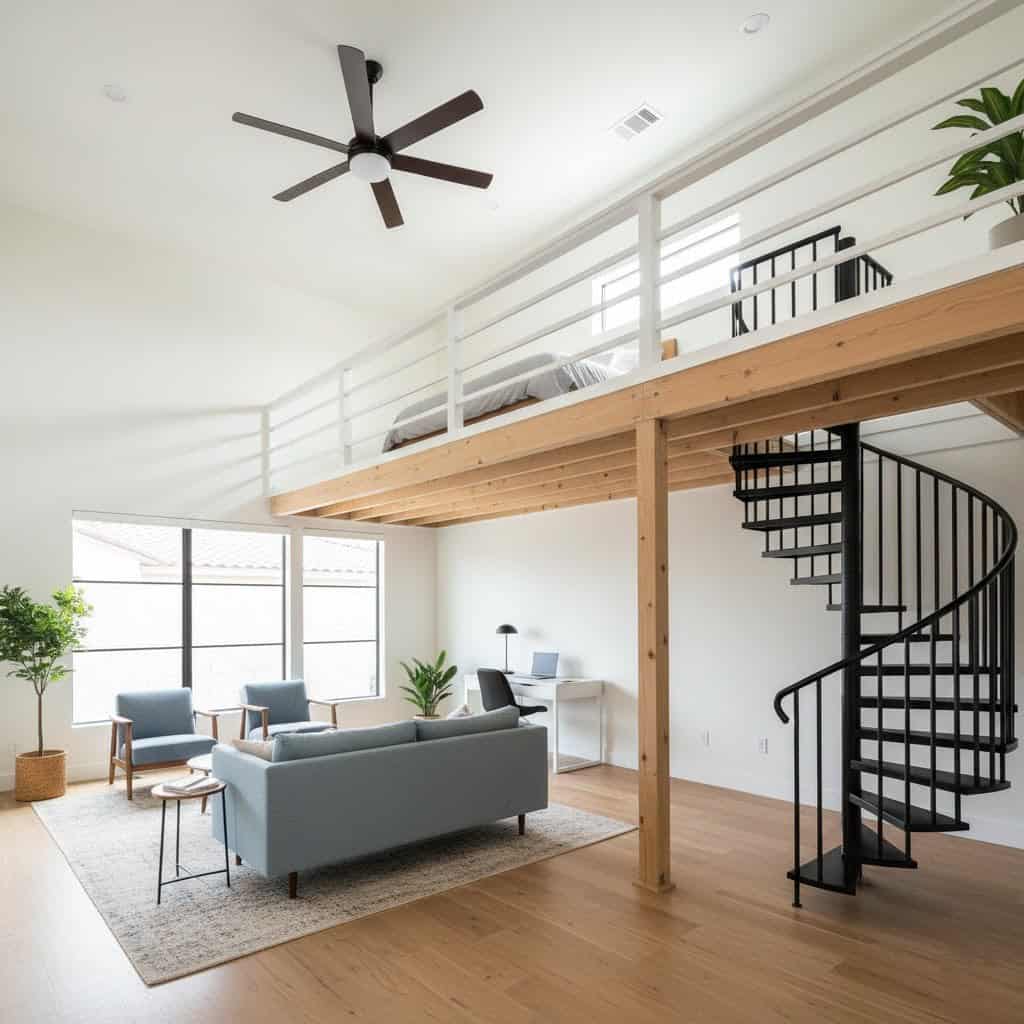
A raised area built inside your current room. It can be a sleeping loft, a study space, or a small library above the living room.
How to do it:
- Check your ceiling height. You need at least 10 feet.
- Build a loft bed above a desk or sitting area.
- Use open railings and bright colors to keep the space light.
- Add ceiling fans or vents for airflow.
A loft bedroom or office is perfect for Las Vegas homes with high ceilings. It adds function and keeps the main floor open.
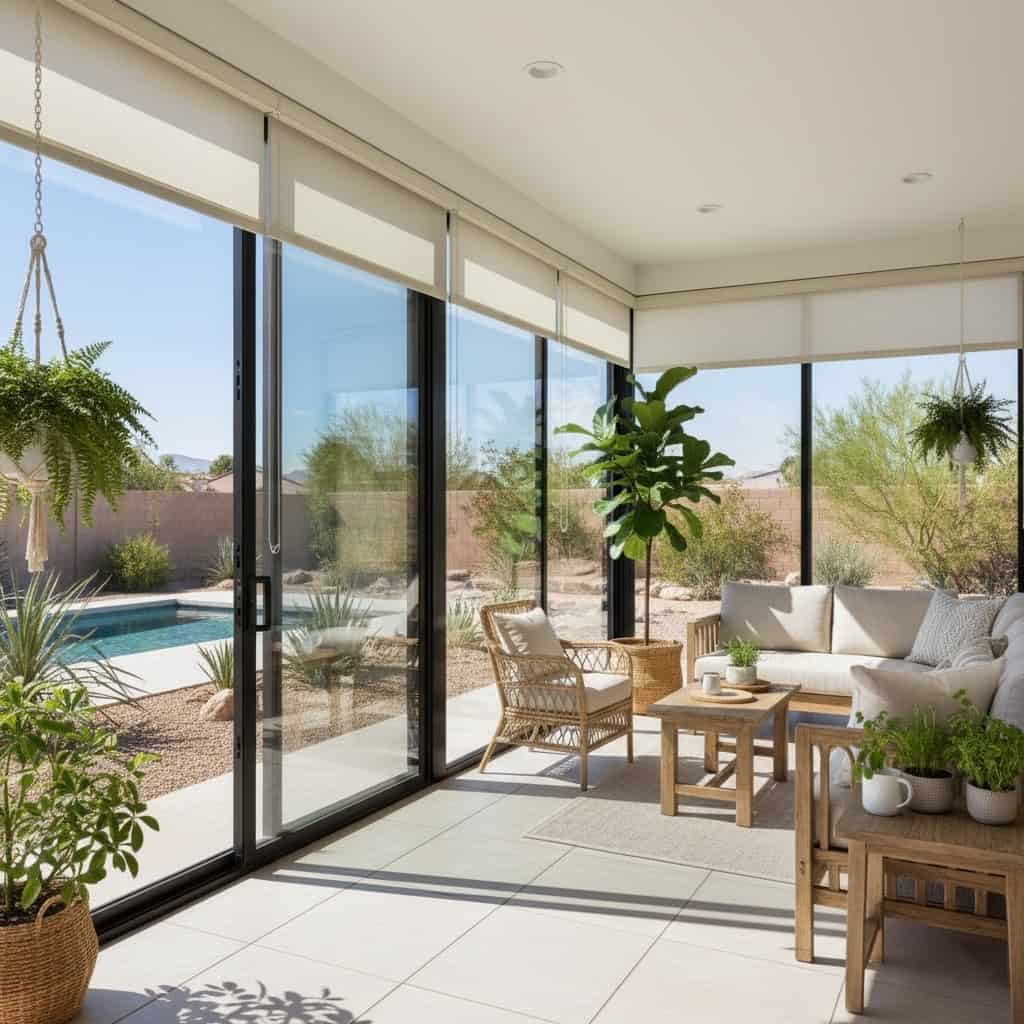
3. Sunroom or Enclosed Porch
Why it works:
Las Vegas has many sunny days. A sunroom brings the outdoors inside without the heat or dust. It becomes a quiet space for coffee, reading, or relaxing.
What it is:
A room with glass walls or large windows, built next to your main living space. It can replace a back porch or patio.
How to do it:
- Use glass walls or sliding doors for light.
- Add shades or blinds to control heat.
- Use tiles or light wood floors that handle the sun well.
- Add indoor plants to cool the air.
A sunroom connects you with nature but stays weatherproof. It makes your home feel larger and more open.
4. Multi-Purpose or Flex Room
Why it works:
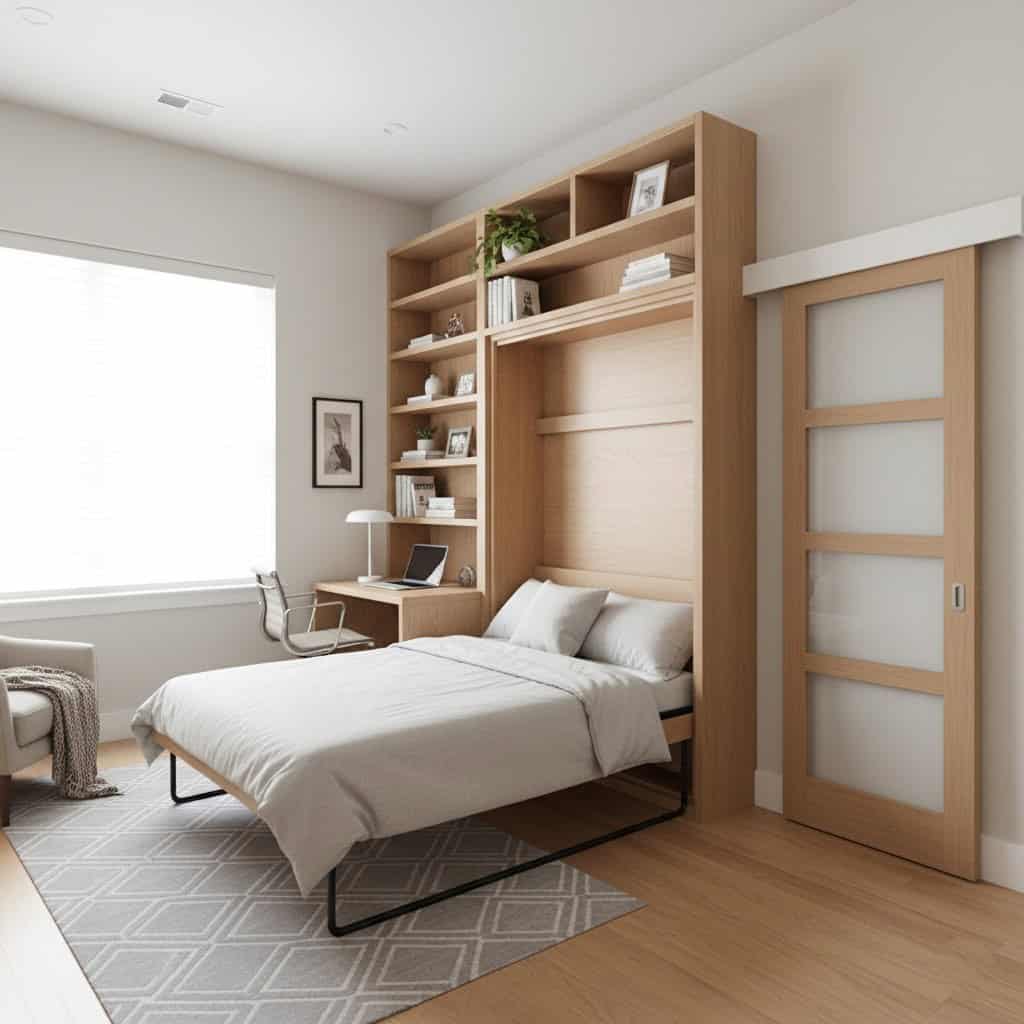
Every room should serve more than one user. A flex room helps you live smarter. One space can switch between work, sleep, and play.
What it is:
A small room that changes through smart furniture. Think of a guest room that turns into a home office.
How to do it:
- Use a Murphy bed or fold-away desk.
- Add sliding or pocket doors to save floor space.
- Keep walls light and neutral to fit different moods.
- Use built-in shelves for storage.
For example, a 10×10 room can hold a desk, a wall bed, and storage if designed right. It becomes your office by day and guest room by night.
5. Smart Storage and Built-In Spaces
Why it works:
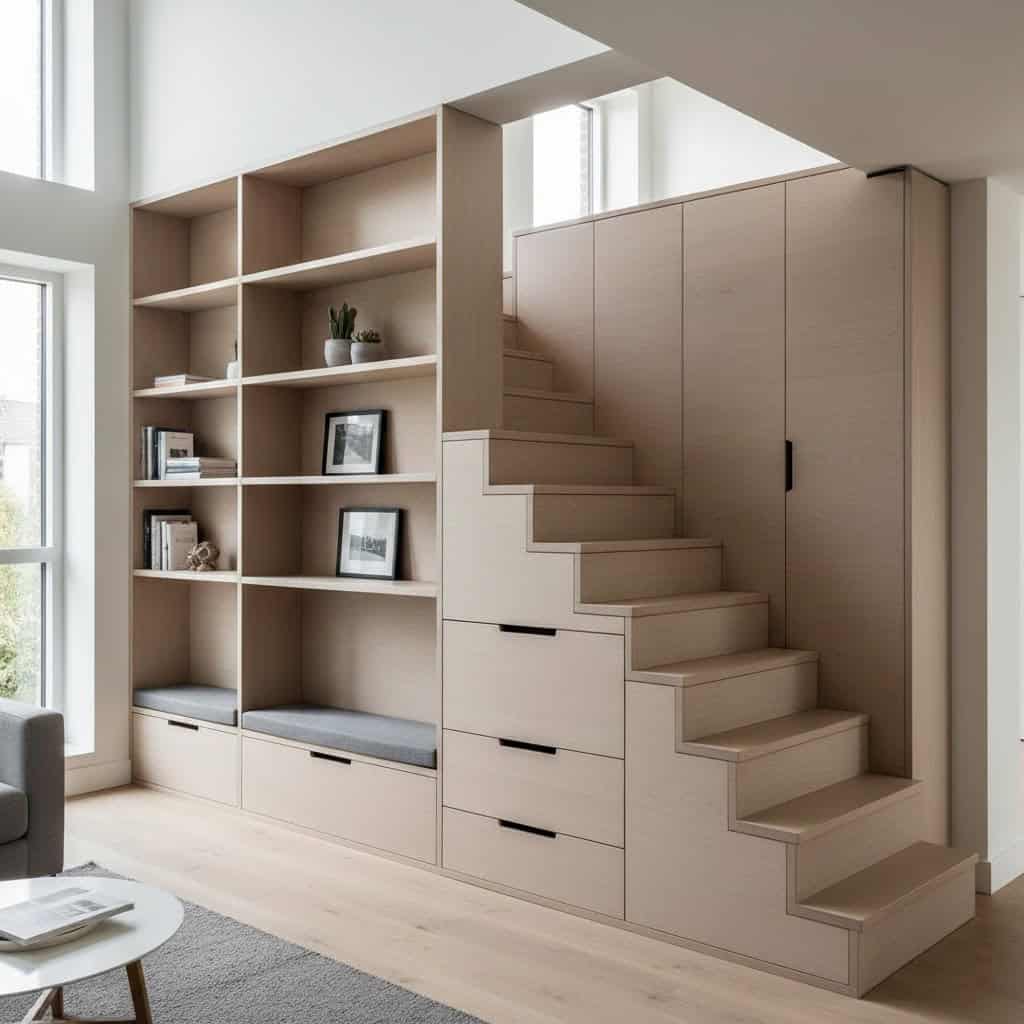
Storage eats up space in small homes. Built-in storage turns dead corners into useful spots. It also keeps the home neat and clean.
What it is:
Storage built into walls, stairs, or benches. These spaces hold things without taking up extra room.
How to do it:
- Add drawers under the stairs or benches.
- Build shelves into walls instead of using cabinets.
- Install closets that reach the ceiling.
- Seal storage areas to protect from dust.
This idea adds space without changing your home’s shape. It works best when paired with clean design and clutter-free habits.
Smart Design Tips for Small Additions
- Light matters. Use natural light wherever possible. Large windows or skylights make small rooms look open.
- Use light colors. White, beige, or pale gray make rooms feel larger.
- Keep traffic flow clear. Do not block walkways or windows.
- Match materials. Use the same roofing and paint as the main house for a seamless look.
- Plan before building. Check out permits and building codes. Las Vegas has clear rules for additions.
- Think ahead. Add wiring, outlets, and ventilation early in the plan.
Data and Practical Examples
- A bump-out of 2 feet adds about 40 square feet to a kitchen or dining room. That can fit a small table or storage bench.
- Adding sunroom increases natural light by up to 50 percent, reducing the need for electric lighting during the day.
- Homes with a multi-purpose room often gain 5 to 10 percent in resale value because of flexibility.
- A built-in wall unit saves up to 30 square feet compared to using a freestanding cabinet.
These numbers show that small changes create real results. The goal is not more rooms but a smarter space.
How to Choose the Right Idea
Pick based on your need, not trend.
- If you need more light, go to the sunroom.
- If you need more floor space, try a bump-out.
- If you need flexibility, build a multi-purpose room.
- If you need better storage, add built-in options.
- If you have high ceilings, go vertically.
Walk through your home. Note where space feels tight or dark. Then choose one idea that fixes that issue. Start small. A simple change often brings the biggest comfort.
Why Small Additions Make Sense When Building an Addition to a House
A small addition costs less, builds faster, and fits better into city lots than adding an addition to a house of full size. You avoid the stress of moving or buying a bigger house. Most small additions finish in a few weeks. They also use less energy, which lowers bills.
In Las Vegas, smart designs also help manage heat. More natural light means less need for lamps. More storage and organization mean fewer items clutter to the floor, which makes air move better, and rooms stay cooler.
Final Thoughts
Smart space design is not about size. It is about purpose. A bump-out for family dinners, a loft for work, a sunroom for calm, or built-in storage for order. These ideas make a small home feel open, practical, and personal.
When you plan with care, your home grows with you. Every wall, corner, and ceiling can serve a use. Building an addition to a house is not about more walls. It is about creating space that fits how you live.
If you are thinking about adding an addition to a house, start small and plan smart. Walk through your home, note what feels tight, and take the first step today. Small homes have big potential when you design with purpose.
For expert help in Las Vegas, contact LV Home Service. Our team builds smart additions that add function, light, and comfort to your space. Reach out to plan your next home project today.
Frequently Asked Questions
1. What are the typical price ranges for each type of addition in Las Vegas?
Bump-outs cost about $85–$300 per sq ft. Lofts run $15K–$60K. Sunrooms cost $150–$300 per sq ft. Multi-purpose rooms cost $80–$200 per sq ft. Built-ins start from a few thousand.
2. What permits or approvals are needed for these additions in Las Vegas?
You need a building permit from the City of Las Vegas for most additions. Only licensed contractors can apply. Always confirm the rules before starting construction.
3. How do these additions handle Las Vegas heat and sun exposure?
Use low-heat glass, insulation, and shading. Add roof vents and reflective paint. Sunrooms need blinds or tinted windows to stay cool in summer.
4. How do I choose a reliable contractor for small additions in Las Vegas?
Check licenses on the Nevada State Contractors Board site. Get 2–3 bids, read reviews, and sign a clear written contract before work begins.
5. How long does each type of addition typically take to complete?
Bump-outs or sunrooms take 2–4 months. Lofts take a few weeks to a few months. Full room additions may take up to 4 months including permits and design.